
Postpartum recovery: Supporting your body + skin after birth

Growing + birthing a baby is one of the most physically demanding things a body can do
And yet the recovery conversation ~ what your body actually needs in the weeks + months that follow ~ often gets far less attention than the pregnancy itself.
Whether you've had a vaginal birth or a caesarean, whether this is your first baby or your fourth ~ your body has been through something significant. It needs time, nourishment + support to rebuild.
Collagen plays a meaningful role in that process. Here's what we know + what to keep in mind.
Before we begin: always check with your lead maternity carer (LMC) or healthcare provider before starting or continuing any supplement postpartum ~ particularly if you are breastfeeding or have had any complications during birth or recovery.
What’s happening in your body postpartum?
During pregnancy, your body's collagen demand increases significantly ~ your skin stretches, connective tissue shifts + expands, + your collagen stores are called upon to support the growth of a baby. Collagen production increases during pregnancy ~ but so does demand. Postpartum, your body is left with the work of rebuilding.Oestrogen plays a direct role in collagen synthesis ~ and after birth, oestrogen drops significantly, particularly during breastfeeding. This hormonal shift directly affects your skin's ability to produce + maintain collagen, which is one reason many new mothers notice changes in skin texture, elasticity + overall appearance in the months following birth.
At the same time, your body is healing ~ whether from perineal tears, episiotomy or caesarean incision ~ rebalancing hormonally + often running on depleted nutritional reserves after months of growing a baby.
How collagen may support postpartum recovery
Wound healing + scar recovery
Whether you have a caesarean scar, perineal stitches, or stretch marks that are continuing to change ~ collagen sits at the heart of the skin's repair process. Collagen fibres act as scaffolding for new tissue, influencing how scars form, mature + appear over time. When collagen forms in a smooth, organised way, scars tend to be softer, flatter + less noticeable.
Supporting your natural collagen production consistently during the active healing phase ~ particularly in the first weeks + months postpartum ~ may be one of the most supportive things you can do for your recovery.
Skin elasticity + texture
Your skin has done incredible things. The changes in firmness + texture many women notice postpartum ~ on the abdomen, breasts, hips + thighs ~ reflect collagen + elastin that were stretched + depleted during pregnancy. Consistent collagen supplementation supports the skin's ability to produce new collagen, which over time may improve firmness, hydration + overall skin quality. This isn't a quick fix ~ it's long-term support for skin that has worked hard.

Postpartum hair loss
One of the most common postpartum experiences is significant hair shedding, typically beginning three to four months after birth. During pregnancy, elevated oestrogen keeps hair in the growth phase for longer, often resulting in noticeably thicker, fuller hair. After birth, oestrogen drops rapidly, causing large numbers of follicles to move into a resting phase simultaneously ~ a process called telogen effluvium. For most women, this peaks around three to six months postpartum before gradually resolving.
There is no supplement that will magically prevent hormonally-driven hair loss ~ but nutrition plays a supporting role in hair follicle health + regrowth as the hormonal picture stabilises.
Collagen provides the amino acids that support the structure of hair follicles + the production of keratin ~ the primary protein that makes up hair. While direct evidence for collagen + postpartum hair loss specifically is still emerging, broader research into collagen supplementation + telogen effluvium is encouraging:
A 2021 clinical study (International Journal of Trichology) found that a supplement containing hydrolysed collagen, amino acids, vitamins + minerals significantly improved the anagen/telogen ratio + hair density in women with postpartum hair loss over 16 weeks.

Connective tissue + pelvic floor recovery
Your connective tissue ~ the ligaments, fascia + tendons that support your pelvic floor, abdominal wall + joints ~ has been significantly challenged during pregnancy + birth. Collagen is the primary structural protein in all of these tissues. Supporting collagen production consistently during recovery may help these structures rebuild ~ particularly alongside appropriate physiotherapy or pelvic floor rehabilitation.
Gut health + nutrient absorption
A well-nourished gut is central to absorbing the nutrients your body needs to recover. Collagen's amino acids ~ particularly glycine ~ support the integrity of the gut lining ~ helping your digestive system function at its best during a season when every nutrient counts.
When to start + what to take
If you were taking collagen during pregnancy, speak with your LMC or midwife about continuing postpartum ~ particularly while breastfeeding. Our existing blog on collagen during pregnancy + breastfeeding covers this in more detail.
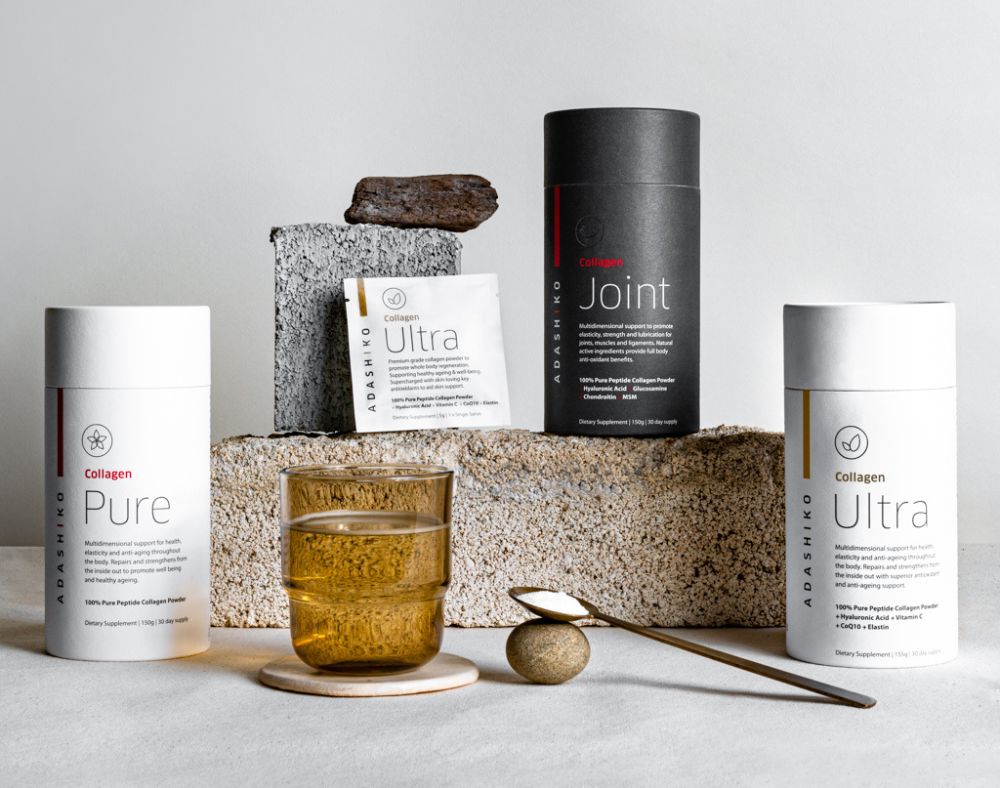
For postpartum recovery, most women find our Pure or Ultra formulas a natural fit ~ with Ultra adding Hyaluronic Acid, Vitamin C, CoQ10 + Elastin for additional skin support. If joint discomfort is a concern, Joint Collagen may offer additional targeted support. Not sure which formula is right for you? Our Collagen Quiz takes less than 60 seconds.
Nourishing yourself in the fourth trimester
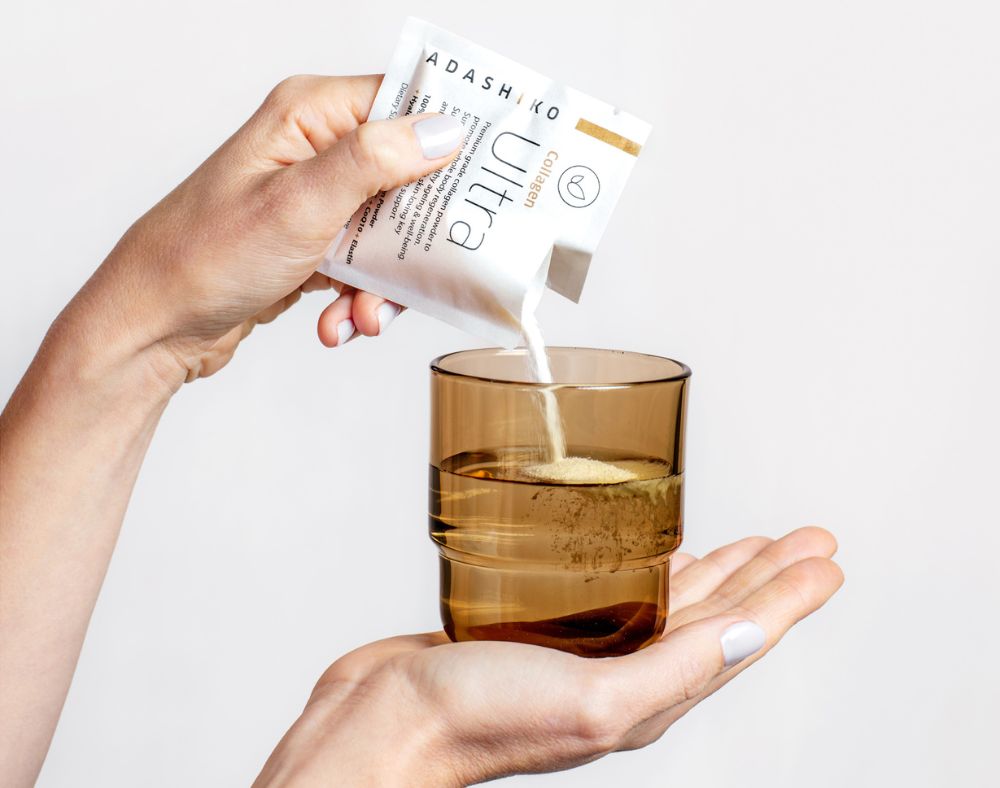
The postpartum season doesn't leave much room for elaborate self-care. One scoop of Adashiko, stirred into your morning tea, coffee, water or smoothie, is enough. It's the consistency of that simple daily act that builds results over time.

Nourishing yourself after birth isn't a luxury. It's part of recovering well ~ for yourself + for the people who need you.